- Ping stand for Packet Internet Groper.
- Ping is a Computer network administration software utility use to test the reachability of host on an Internet Protocol network.
- It is available for virtually all operating system that have networking capability, including most embedded network administration software.
- Ping Send two packet at a time
- ICMP (Internet Control Message Protocol)
- ARP (Address Resolution Protocol)
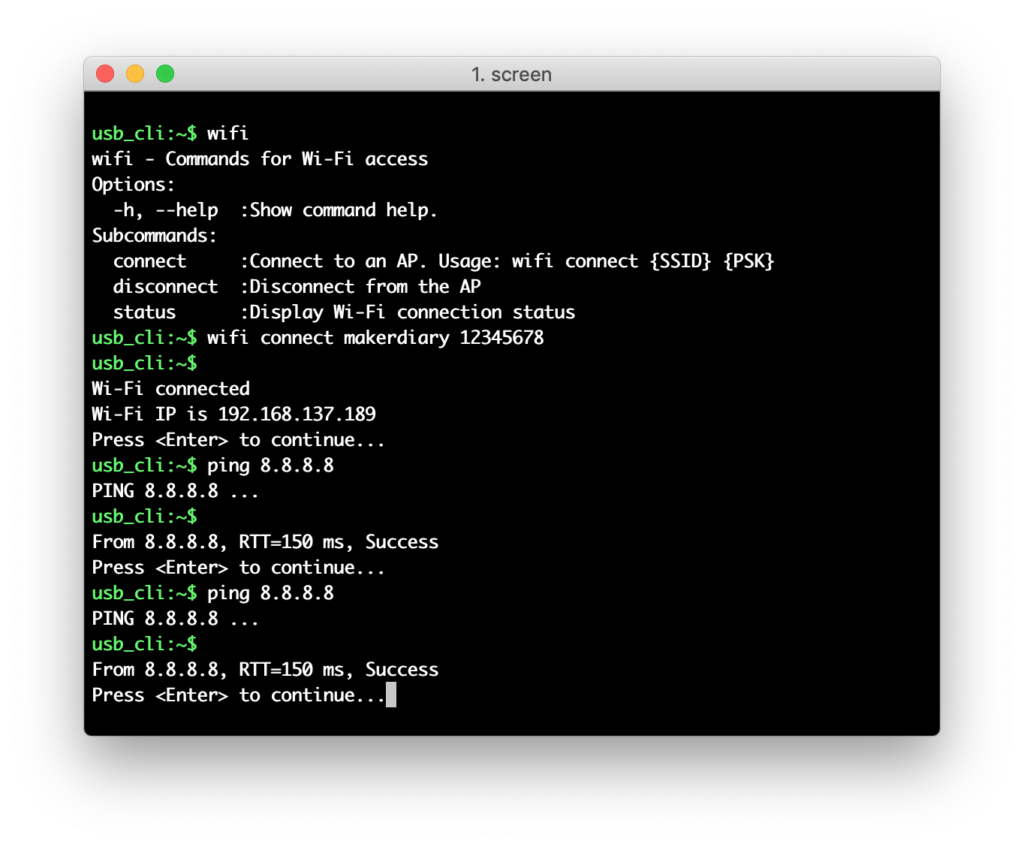
- The ping command operates by sending Internet Control Message Protocol (ICMP) Echo Request messages to the destination computer and waiting for a response.
- If you want to know more about Public IP address, please check on https://en.wikipedia.org/wiki/Ping_(networking_utility)
ICMP Explained
- ICMP Stand for Internet Control Message Protocol .
- It Is a request message to the destination Computer.
Ping command syntax for Windows.
| options | Description |
| -t | Constant ping without stopping. |
| -a | Resolve address to hostnames. |
| -n | Number of echo requests to send. |
| -I | Send to the Buffer Size. |
| -f | Set Don’t Fragmentation flag in packet, only IPV4 |
| -i | Set the time. |
| -v | Set Type of Service |
| -4 | it is used IPV4 |
| -6 | it is used IPV6 |
| -s | Timestamp for count hop, only IPV4 |
| -S | Source address |
Ping command in Linux
options | Description |
| -v | Version |
| -c | Controlling the number |
| -s | Controlling the size |
| -i | Changing the time interval |
| -q | summary |
| -f | Flooding |
| -w | timeout |



0 Comments